Air Freight vs. Sea Freight: Choosing the Best Shipping Option
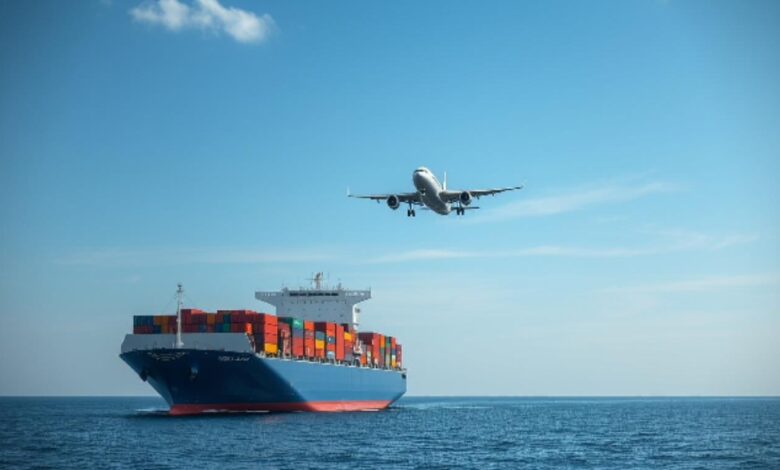
When it comes to global logistics and managing your supply chain, selecting the right shipping method is crucial. The choice between air freight and ocean freight significantly impacts transit time, shipping costs, and overall efficiency. This article delves into a detailed comparison of air freight vs ocean freight, helping you make an informed decision for your business.

Understanding Air Freight
Definition and Overview
Air freight, also known as air cargo, involves transporting goods by air. This shipping method is ideal for time-sensitive shipments, high-value items, and when speed is of the essence. Major players like DHL are instrumental in the air freight industry, facilitating the movement of cargo across the globe. Understanding the nuances of air freight is essential when you’re shipping goods internationally.
Advantages of Air Freight
Air freight offers several key advantages. These advantages often justify the higher cost, especially when speed is paramount:
- Speed: The reduced transit time is invaluable for businesses needing urgent deliveries.
- Enhanced security measures: These measures reduce the risk of theft or damage.
Typical Transit Times for Air Freight
Transit time is a critical factor when choosing between air and ocean freight. Air freight shipments typically arrive within a few days, often 1-5 days, depending on the destination and carrier. This rapid delivery is a significant advantage when comparing air freight vs sea freight, making it suitable for urgent shipments where time is of the essence and a quick turnaround is needed.
Exploring Ocean Freight
Definition and Overview
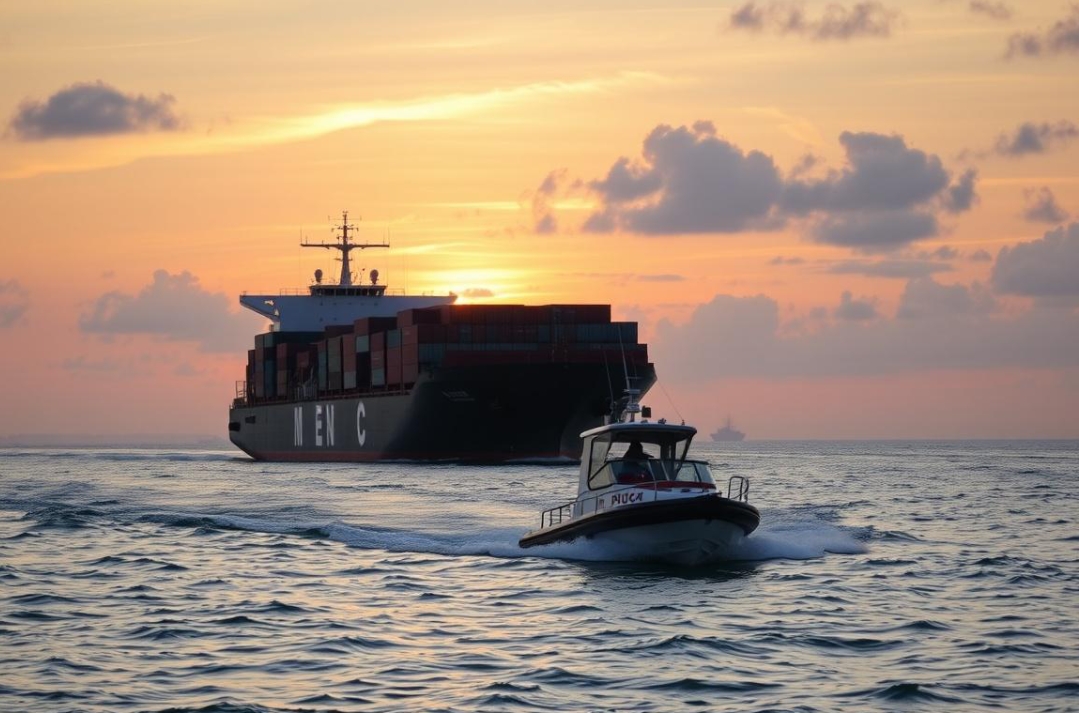
Ocean freight, also known as sea freight, is the process of transporting goods via cargo ships. This shipping method is ideal for large, heavy, or non-time-sensitive shipments. Ocean freight is a cornerstone of global logistics, handling a significant portion of international trade. Understanding the difference between air and sea freight is essential for effective supply chain management.
Advantages of Ocean Freight
One of the most significant advantages of ocean freight is its cost-effectiveness, especially for large shipments. Businesses often choose ocean freight because it offers key economic benefits, such as:
- Being significantly cheaper than air freight.
- Helping minimize shipping costs when rapid delivery is not essential.
Comparing air freight vs. sea freight clearly highlights these economic advantages.
Typical Transit Times for Ocean Freight
Transit times for ocean freight can vary significantly depending on the origin, destination, and specific route. Typically, ocean shipments take several weeks to arrive, often ranging from 20 to 45 days. Despite the longer transit time, the cost savings often make ocean freight a viable option for many businesses. The extended transit time is a key difference between air and sea freight.
Air Freight vs. Sea Freight: Key Comparisons
Cost Analysis: Freight Costs and Rates
When comparing air vs ocean freight, cost is a primary consideration. The cost of air freight is generally higher than that of ocean freight due to the speed and resources required. Ocean freight rates are influenced by factors such as fuel costs, port congestion, and container availability. Businesses must weigh these factors when choosing between air and sea freight.
Carbon Footprint Considerations
Another crucial factor to consider is the carbon footprint of each shipping method. Air freight generally has a higher carbon footprint compared to ocean freight due to the greater fuel consumption per unit of cargo transported. Companies increasingly focus on sustainability and reducing their CO2 emissions, making ocean freight a more environmentally friendly choice in many scenarios, and comparing air freight vs ocean freight in this regard.
Choosing Between Air and Ocean Freight
Choosing between air and ocean freight depends on your specific needs and priorities. If you’re shipping high-value goods and require rapid delivery, air freight may be the best option. However, if cost is a major concern and transit time is less critical, ocean freight offers a more economical solution. The choice between air and sea freight requires careful evaluation.
Logistics and Shipment Considerations
Shipping Needs and Requirements
Understanding your shipping needs is critical when deciding between air freight and ocean freight. Consider the nature of your cargo, required transit time, and budget. For high-value or time-sensitive shipments, air freight offers a faster, more secure option. However, for large, less urgent shipments, ocean freight may be more cost-effective. Evaluating these factors ensures the right shipping method aligns with your supply chain and logistics.
Freight Forwarding Processes
Freight forwarders play a crucial role in managing the complexities of both air freight and ocean freight. They handle documentation, customs clearance, and coordination of cargo movement. Choosing between air and sea freight often involves consulting with a freight forwarder who can provide insights on costs, transit times, and logistical considerations. Utilizing a freight forwarder can streamline the shipment process and ensure efficient delivery, especially when shipping by air.
Sea and Air Freight Combos
Sometimes, a combination of air freight and ocean freight offers the most efficient solution. For example, goods might be shipped by sea for the majority of the journey and then transferred to air cargo for the final leg to expedite delivery. This approach can balance cost and transit time, optimizing the supply chain. The choice between air and sea freight can be optimized by combining these options.
Conclusion: Making the Right Choice

Final Thoughts on Air vs. Ocean Freight
Here’s a breakdown of the key advantages when considering air vs. ocean freight:
- Air freight offers speed and security, making it ideal for high-value, time-sensitive cargo.
- Ocean freight provides cost-effectiveness, especially valuable for larger, less urgent shipments.
Ultimately, weighing these factors—cost, transit time, and environmental impact—is critical when deciding between air and sea freight to align with your specific business and shipping needs. The final choice significantly impacts your operations.
Future Trends in Shipping
The future of shipping will likely see increased automation, greater emphasis on sustainability, and the integration of advanced technologies. This includes optimizing supply chain operations and using data analytics to enhance decision-making. Moreover, with growing environmental concerns, companies are looking for ways to reduce the carbon footprint of their shipping operations and choosing between air and sea freight more carefully. More companies will be comparing air freight vs sea freight in terms of CO2 production.
Recommendations for Businesses
For businesses, a thorough assessment of your shipping needs is the starting point. Consider factors such as cargo value, transit time requirements, and budget constraints. Explore options like LCL or FCL for ocean freight, and understand the cost of air freight versus sea freight. Consulting with a freight forwarder is advisable to navigate the complexities of global shipping and make informed decisions about the best shipping method between air and sea freight.
