Innovations in Large-Scale Commercial Building Design
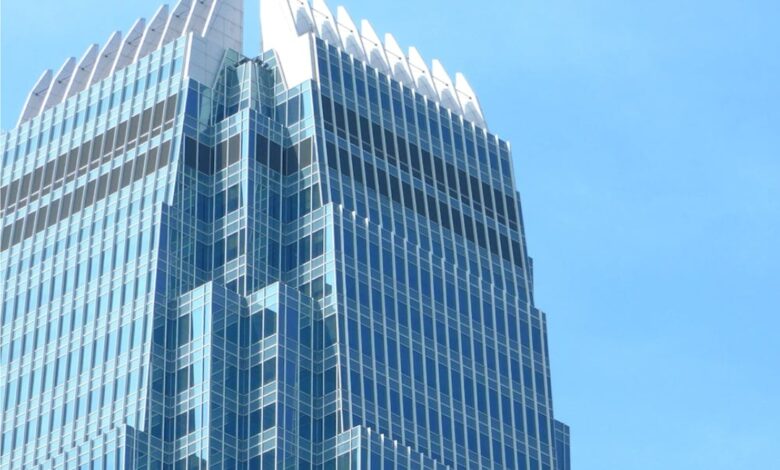
The skyline of the modern city is one that is always in the process of change. There has been such an explosion of modern, glass-encased high-rise buildings that even the more conservative office structures of the mid-20th-century seem blocklike in comparison. However, the biggest changes in the design of tall buildings are taking place out of sight. It is no longer sufficient for an edifice to be merely tall or handsome. It is increasingly necessary to be intelligent, responsible, and flexible.
But for the investor or developer to make informed decisions in their new project, they must understand this paradigm shift. Not only is the building’s look important, but a host of new considerations have come into the picture. Today’s construction paradigm emphasizes efficiency and the continued relevance and value of the structures created in the future.


A New Definition for Sustainability Based on Materials
Sustainability has evolved from a specific term used in some advertising copy for a new concrete building project into a new normal for business. While LEED certification is instrumental in ensuring a minimized carbon footprint, innovation is in how these requirements can be met. But a new focus is developing that encompasses all materials used in buildings, from concrete, insulation, and adhesives to wood.
One such highly effective solution that is currently gaining popularity is the use of prefabricated steel. Unlike traditional building methods, prefabrication involves building parts in a factory setup that can then be assembled in a construction project. This technique of innovative large metal designs results in minimal generation of construction waste and also results in a compact building that leads to greater thermal efficiency.
Moreover, steel can also easily be recycled, thus becoming an ideal choice for projects that fall under the green building category. Even when mixed with energy-efficient glass and solar-integrated roofs, this solution leads to a significant decrease in large building facility energy consumption.
The Rise of the Intelligent Building
Whereas steel and glass constitute the actual structure of an office skyscraper, technology constitutes the nervous system. The coming together of the Internet of Things (IoT) and Artificial Intelligence (AI) has effectively turned static buildings into living and breathing entities that react to their surroundings. Smart technology has become an integral part of the actual infrastructure that constitutes commercial facilities.
The use of IoT sensors distributed throughout a building allows for constant tracking and monitoring of occupancy, temperature, and air quality. The data provided allows the building management system to react and manage lighting and HVAC usage accordingly, preventing energy from being wasted on unoccupied floors. The use of AI takes this application one step further and provides predictive maintenance that allows the system to flag possible maintenance requirements based on historical data before the cooling tower fails instead of when. For the building owners, it provides a cost-effective and quality space for their tenants.
Designing for Unpredictability
The way people work and conduct business is in a state of evolution, and buildings must be able to keep pace. The rigid floor plans of days gone by are making way for flexible spaces capable of adapting to the changing needs of business. What might be a highly functional open-plan collaborative space today could easily be divided up into a series of private offices tomorrow.
This flexibility is being realized by designers using modular interior design systems and moveable partitioning. By minimizing load-bearing walls inside, the designer is able to provide the building with “shells” of interiors that can easily be rearranged with little work. Such design is future-proofing a building. It ensures that any given property is capable of supporting any given tenant: whether it’s a tech start-up with an open bullpen layout or any law office that requires privacy.
Constructing the Future
The forces of innovation that are molding the future of large commercial buildings are the result of both need and innovation. Through the adoption of environmentally friendly construction materials such as prefabricated steel, automation, and the creation of flexible spaces, better buildings for commerce can be developed. Contemporary buildings not only serve the function of housing businesses; rather, buildings of the modern age are agents of commerce’s success.
You May Also Like
Launch Smart: Best Tools for Starting an E-Commerce Business